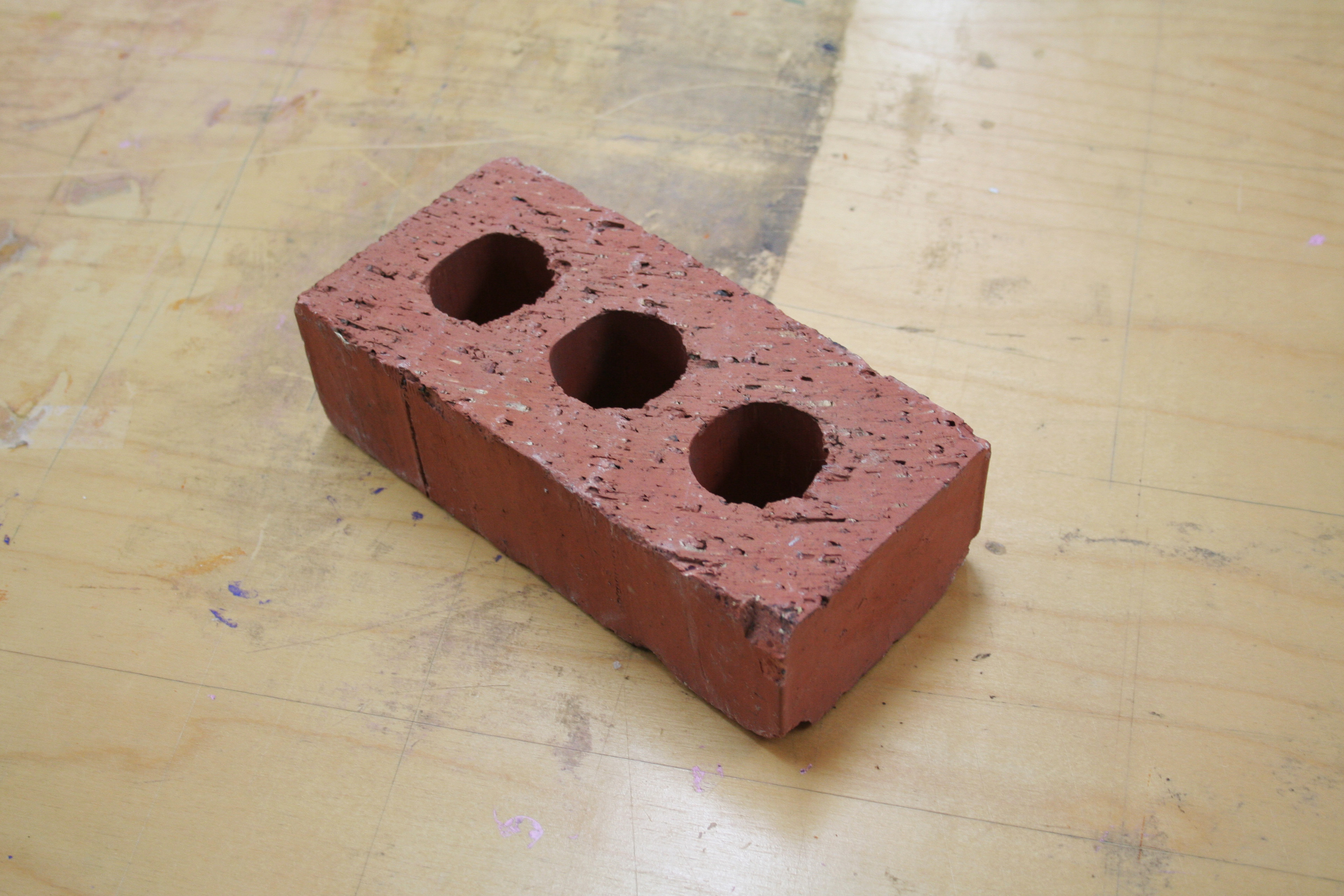
Choosing the wrong structural material at the start of a renovation adds months and unexpected costs before a single tile goes up. In Poland, where building standards are governed by the General Office of Building Control (GUNB) and technical standards issued by the Polish Committee for Standardization, the material choice also affects permitting and final inspection. This guide compares the four systems most commonly encountered in Polish residential work.
At a glance: material systems covered
- Ceramic brick (pełna and dziurawka)
- Autoclaved aerated concrete (AAC / ytong)
- Cellular concrete blocks (keramzytobeton)
- Timber frame (szkielet drewniany)
Ceramic Brick — Reliable, But Labour-Intensive
Fired clay brick has been used in Poland since the late medieval period. Its main appeal today is familiarity: every qualified mason knows how to work with it, and replacement bricks for existing buildings are easy to match. A standard Polish full brick (pełna cegła) measures 250 × 120 × 65 mm and is produced to PN-EN 771-1 standards.
The material carries excellent compressive strength — typically 15–25 N/mm² depending on grade — which makes it appropriate for load-bearing walls in multi-storey residential buildings. Thermal conductivity (λ) for solid brick sits around 0.7–0.9 W/(m·K), meaning a 38 cm wall alone does not meet Poland's 2021 thermal requirements (U ≤ 0.20 W/m²K for external walls). Additional insulation is always required.
Labour costs are higher than for AAC because individual units are smaller and mortaring takes more time per square metre. Expect roughly 35–45 hours of skilled masonry per 10 m² of 25 cm external wall in standard Polish market conditions.
For listed buildings or structures with existing brick structures, maintaining material consistency is often a formal requirement under the heritage protection framework — consult the local Voivodeship Monument Conservator's office before specifying alternatives.
Autoclaved Aerated Concrete (AAC) — The Current Mainstream
AAC — sold under brand names such as Ytong, Solbet, and Prefabet in Poland — dominates new residential construction because it combines acceptable thermal performance, light weight, and fast installation. A 36.5 cm AAC block (λ = 0.09–0.12 W/(m·K)) can come close to meeting U-value requirements on its own, reducing the thickness of the insulation layer needed.
AAC blocks are produced in compressive strength classes from 2.0 to 6.0 N/mm². Class 2.0 is adequate for single-storey partitions; load-bearing external walls in a two-storey house typically require class 3.0–4.0, confirmed by the structural engineer's design. The material cuts cleanly with a hand saw, which speeds first-fix work for electrical and plumbing runs.
Common installation errors with AAC
- Mixing mortar too wet, causing the block to absorb water and lose strength at the joint
- Skipping the reinforced bond-beam course above window openings
- Using standard thick-bed mortar instead of thin-bed (1–3 mm) adhesive mortar
- Not accounting for AAC's lower resistance to point loads at joist and beam bearings
Cellular Concrete Blocks (Keramzytobeton)
Keramzytobeton — expanded clay aggregate concrete — occupies a middle position between standard concrete and AAC. Blocks are denser than AAC (typically 700–1000 kg/m³) and carry higher compressive strength (5–10 N/mm²), making them preferred for basement walls and foundation-level courses exposed to ground moisture. The porous aggregate gives modest thermal performance (λ ≈ 0.20–0.35 W/(m·K)), so external insulation is always required.
In renovation contexts, keramzytobeton blocks are most useful when replacing damaged sections in mixed-construction buildings where a stiff, moisture-resistant block is needed but the weight of solid concrete would overload the existing structure.
Timber Frame Construction
Szkielet drewniany (timber frame or platform frame) has grown steadily in Poland since the mid-2010s, driven partly by faster build times and partly by the energy performance advantages achievable with thick insulation cavities. A well-designed timber frame wall with 200 mm mineral wool between studs and 80 mm of external insulation can reach U-values below 0.12 W/m²K.
The system requires a dry construction site and careful detailing at all junctions to control vapour and airtightness. Polish practice follows PN-EN 1995-1-1 (Eurocode 5) for structural timber design. Kiln-dried C24 timber is standard for studs; moisture content should be below 19% at installation and ideally below 12% to minimise subsequent shrinkage and settlement.
Quick material comparison
- Brick — High durability, high labour cost, needs insulation, good for heritage work
- AAC — Moderate cost, fast install, good thermal mass, avoid moisture exposure
- Keramzytobeton — Best below-grade, strong, heavy, always needs insulation
- Timber frame — Fastest build, excellent U-values achievable, sensitive to detailing
What the Polish Building Code Requires
Technical conditions for new buildings and significant renovations are set by the Rozporządzenie Ministra Infrastruktury from 12 April 2002, as amended. For external walls in residential buildings, the requirement since 2021 is U ≤ 0.20 W/(m²K). From 2029, a further tightening to 0.15 W/(m²K) is expected under the trajectory aligned with the EU Energy Performance of Buildings Directive.
Any change to the structural system — replacing or removing load-bearing elements — requires a building permit and a structural engineer's opinion (opinia konstrukcyjna). Material substitution in a load-bearing context cannot be decided by the site foreman alone.
Budget Estimates (Warsaw Market, 2026)
These figures reflect approximate material-only costs per m² of finished wall (excluding foundations and insulation) as reported by Polish building merchants in early 2026. Labour and regional variation can shift these by 20–35%.
- Ceramic brick wall (25 cm): 95–140 PLN/m²
- AAC block wall (36.5 cm): 75–110 PLN/m²
- Keramzytobeton wall (25 cm): 80–120 PLN/m²
- Timber frame wall (complete): 160–220 PLN/m² (structure only, no cladding)
For sourcing guidance, the Polish Association of Construction Employers (PZPB) publishes quarterly price indices useful for budget preparation.